andie, she/her, 26, united states. this blog is full of Tolkien. also other art, photos, fandoms, and big-eyes-emoji stuff, but mostly Tolkien. i tag! my girlfriend is bright ivanaskye, who is a lot, but not too much
“A collection of secular music from the High and Late Middle Ages (1000-1400). The mix features songs in vernacular from many different areas of Western Europe, as well as a few songs from the Byzantine and Islamic Empires.”
GUILLAUME DE MACHAUT – De Fortune Me Doi Plaindre Et Loer Ciarlatani, I – Ach owe, daz nach liebe ergat Arabo – andalusian 13th c. : Nuba Ushshak – mîzân qá’im wa-nisf England – Anon. 1265 : Worldes blis ne last no throwe Kitka – Bailemos nos ja todas Francesco Landini (c.1325 – 1397): Adiu, adiu dous dame Ey Dervişler – Hüseyni ilâhi – Yunnus Emre (Ilâhileri), Turkey, 13th c Beatriz de Dia – A chantar m’er de so q Waverly Consort – Ecco La Primavera Carmina Burana (Anon.11 – 13th c.) – CB 200: Bache, bene venies Miraval (1165 – 1229): Cel que no volh auzir chanssos Christodoulos Halaris – The Nightingales of the East Els Trobadors – Tant M’Abelis Brunwart von Augheim, 13th c. – Willekomen si der sumer schoene Akira Tachikawa – Esperance Laude novella – Laudario di Cortona, Italy, 13th c
People in the Middle Ages valued sweet smelling breath and bodies, seeing them as desirable, so there is a great deal of evidence from the period of tooth pastes, powders and deodorants.
Contrary to the typical Hollywood depiction of medieval peasants with blackened and rotting teeth, the average person had teeth which were in fairly good condition, mainly due to the rarity of sugar in the diet. Most medieval people could not afford sugar and those who could used it sparingly.
Archaeological data shows that only 20% of teeth had signs of decay, as opposed to 90% in the early twentieth century. The main dental problem for medieval people was not decay but wear, due to a high content of grit in the main staple, bread.
For deodorants, soap was available for the wealthy, but a variety of herbs and other preparations were also used. Soapwort is a plant native to Europe and Asia which, when soaked in water, produces an effective liquid soap. Mint, cloves and thyme were also extensively used by simply rubbing into the skin, and alum (hydrated potassium aluminium sulphate) was an effective deodorant.
I am trying to keep to 14th century technology on my pilgrimage to Canterbury, which gives me various options when looking at hygiene. In the middle ages people generally cleaned their teeth by rubbing them and their gums with a rough linen cloth, or the chewed end of a stick. There are various recipes for pastes and powders that could be put on the cloth to help clean the teeth, but I have chosen simple salt to whiten them and to aid fresh breath. I will also be using the stick method, and will be taking along a supply of liquorice root sticks for that purpose.
I also have a few blocks of alum, which when rubbed into wet skin has a deodorising effect. Alum, like beeswax, was used extensively in the middle ages for a variety of purposes, also being useful:
* in the purification of drinking water as a flocculant * as a styptic to stop bleeding from minor cuts * as a pickling agent to help keep pickles crisp * as a flame retardant * as an ingredient in modelling clay * as an ingredient in cosmetics and skin whiteners * as an ingredient in some brands of toothpaste
The photograph shows my wash kit including home made olive oil soap, salt for the teeth, a block of deodorising alum, cloves, a boxwood comb made for me by Peter Crossman of Crossman Crafts and some liquorice root sticks, all on a woollen ‘towel’. Note that the cloves are kept in a ventilated box….this is because insects hate the smell of cloves and so a perforated box will keep them out of my kit and food bag when I am sleeping rough. TIP: If you steep some cloves to obtain the oil and put the liquid around the doors and windows of your house, it keeps spiders and insects out.
Pay attention medieval-ish fantasy authors- filthy people without any cleaning or self care is Not Historical.
Fantasize about your dashing medieval man with confidence! Lo, how he does not smell like a bag of dead hamsters!
Some of the greatest accomplishments by medieval and renaissance women were accomplished over a banquet table or tea. And there were tons of women warriors (many and most of whom merely ended up casualties of war, as was the case for most warriors of either sex).
Actually making a significant difference as a female warrior a la Joan of Arc was near-impossible. Meanwhile there were numerous Kings’ mistresses who ended wars and created public service programs like hospitals over tea and therefore had far more positive, powerful, and lasting impact upon the world we live in today than most of the warriors in history, male or female. It’s just that most female accomplishments are often written out by historians, dismissed as being nothing but frivolous partying (when in fact said “frivolous partying” did more to shape the medieval and renaissance periods than 90% of the wars fought). It was a Sumerian princess in a tower who essentially invented literature, a Japanese noblewoman attending parties who wrote the first modern novel.
Women who defied gender roles were awesome, yes. Women who used “feminine” pursuits to assert their strength were JUST AS awesome.
“Other girls” were almost ALWAYS AMAZING. Just because the dudebros who have held the pens for centuries who reinforce the idea of “traditional masculinity = strength” have written out the importance of the banquet table, chivalry, and legends DOES NOT MEAN THAT MISOGYNISTIC B.S. SHOULD BE REINFORCED NOW.
“Proper ladies” were rarely, if ever shallow or mere baby machines, even if they were treated as such. We should not be perpetuating that. The pens are in our hands now. Use them for good.
Please and thank you.
ALSO *medievalist pushes up glasses* this public/private dichotomy was NOT REALLY A THING during the Middle Ages (and I am sad to say that tea-drinking was very limited.) The banquet table was EXPLICITLY a political space! as well as one for partying! In the heady days of second-wave feminism, Joan Kelly wrote a whole article about how the Renaissance limited noblewomen’s roles more. Also there’s a great book called Gendering the Master Narrative by two of my favorite medievalists and you can read a synopsis of why it’s awesome here.
ALSO ALSO. 90+ percent of women were, obviously, not members of the nobility. Although disadvantaged in law, they often enjoyed a certain degree of equality in practice (until men noticed, in the case of professional regulation.) But you know what the vast, overwhelming majority of people in the Middle Ages were doing? Farming. And farming requires everyone to work. This doesn’t mean that there wasn’t a gendered division of labor, but it meant that everyone cooperated. And according to the “boring,” everyday documents I spend most of my professional life working with (yay?) husbands and wives cooperated and shared initiative in decisions; single women could and did participate in professions and get known as sailors and healers and weavers. I don’t want to get too carried away and proclaim a “golden age” because, y’know, sexism was a huge thing, it was hard to divorce for cruelty, etc. But while official medieval thought often portrayed women as sinks of iniquity (thanks, patristic authors,) some women were writing against that (thanks, Christine de Pizan! thanks, Heloise!) and they weren’t portrayed as delicate flowers. And they were certainly not isolated from active life. I could give you essays on how religious women managed land and founded hospitals and fed and fought with their neighbors.
Tl; dr: medieval women were indeed awesome, for many and varied reasons.
Ok. I’m tired of the typical vampire, werewolf and fairy.I’m also tired of the occidental-centrism in mythology. Hence, this list.
I tried to included as many cultural variants as I could find and think of. (Unfortunately, I was restricted by language. Some Russian creatures looked very interesting but I don’t speak Russian…) Please, add creatures from your culture when reblogging (if not already present). It took me a while to gather all those sites but I know it could be more expansive. I intend on periodically editing this list.
Of note: I did not include specific legendary creatures (Merlin, Pegasus, etc), gods/goddesses/deities and heroes.
(I have stumbled upon web sites that believed some of these mythical creatures exist today… Especially dragons, in fact. I just had to share the love and scepticism.)
In peacetime, the ruler grows their hair long. In war, they cut it short.
A ruler with long hair is held in great esteem, for defending the peace.
The traditional declaration of war is for the ruler to send their cut-off hair to the enemy ruler. The statement carries greater weight the longer the hair: to receive long hair says that you have angered one who is slow to anger, that you have incurred a wrath not easily woken.
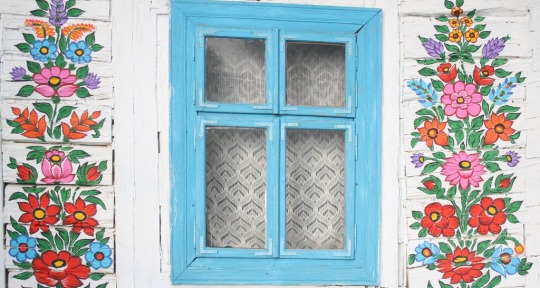
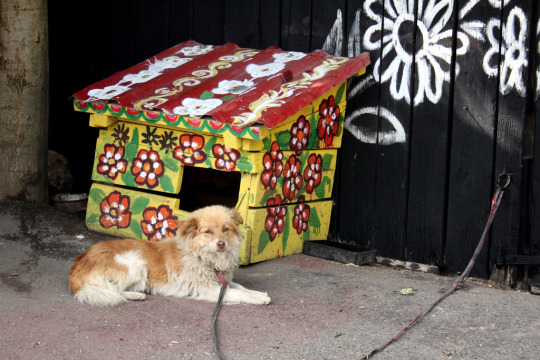
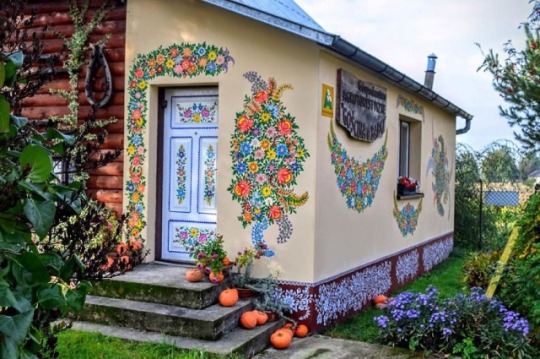
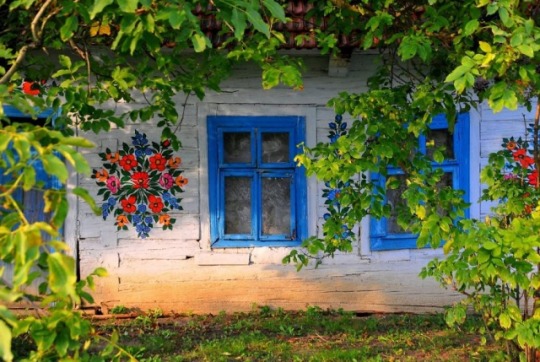
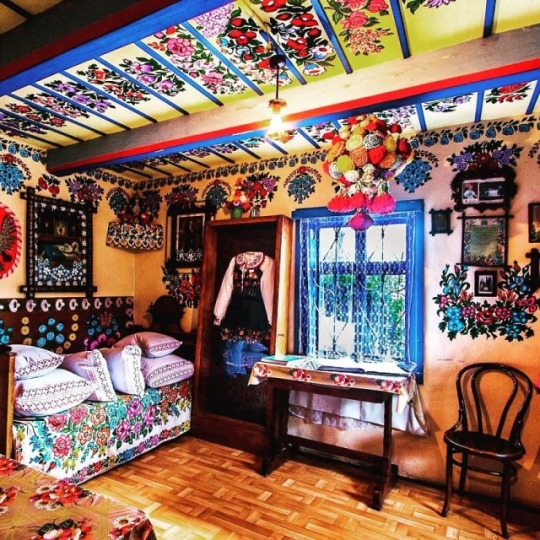
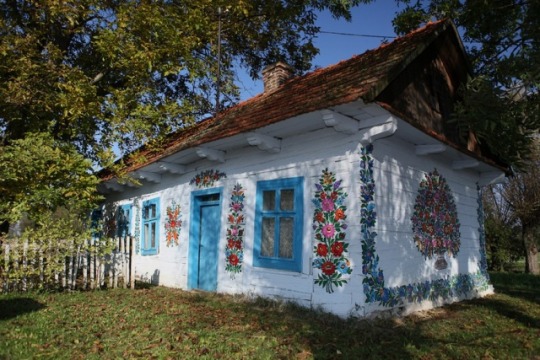
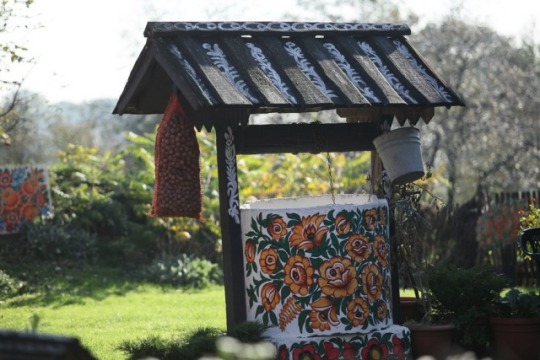
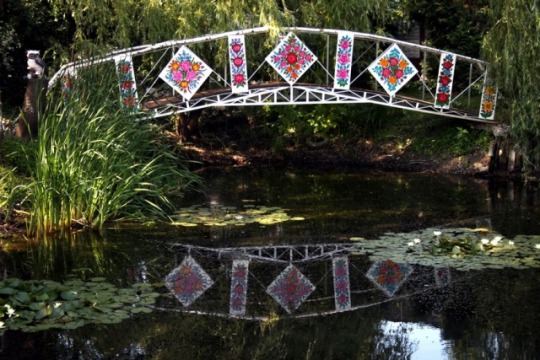
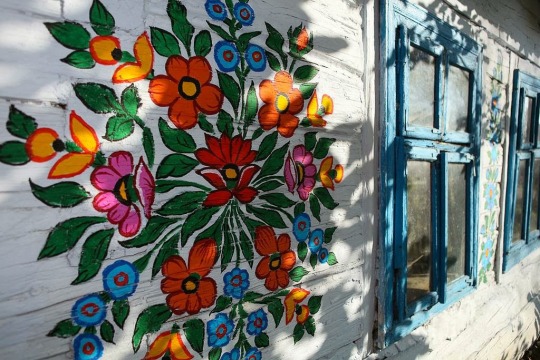
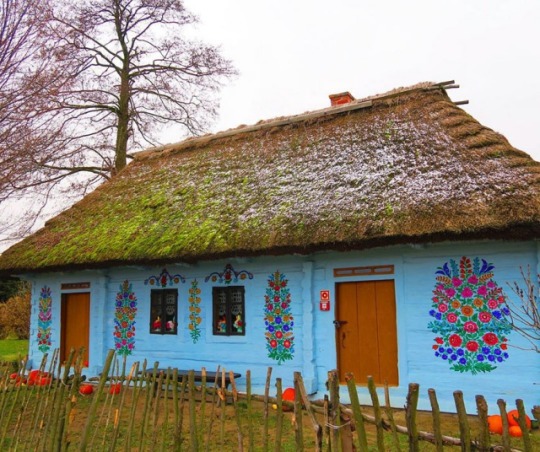
In the Polish village of Zalipie, all the
buildings are covered in painted flowers.
Over 100 years ago, when everyone had
wood-burning stoves, someone painted
a flower on their ceiling to cover a soot
stain, and it became a trend. In 1948,
the town started an annual painted
cottage competition to help recover
psychologically from WWII, and now all
the homes, churches, bridges and barns
are covered in flowers – inside and out. SourceSource 2
The amazing Khizr Khan was onto something with his pocket U.S. Constitution – and our Labs team went ahead and made an app for that. Understanding the U.S. Constitution is an app that allows you to view the articles and amendments of the Constitution, and then links you to scholarship relating to each specific section. It’s free for iOS and Android. Keep fighting the good fight against “alternative facts.”
Guys I probably should have made this post ages ago but anyway: if you want an online properly formatted source for Tolkien’s work from which to check facts, copy-paste quotes, or ctrl+F through for references/mentions, in order to make fandoming easier (and better-informed), here’s some:




 ephal ephalak idon hi-akallabeth